If you play tennis regularly, whether it’s for fun, league matches or competition, injuries can be incredibly frustrating. A sore elbow, aching shoulder or persistent knee pain can quickly affect your performance—and if ignored, may even force you off the court altogether.
The good news is that many common tennis injuries respond extremely well to a structured rehabilitation programme. At Momentum Sports Injury Clinic in Ponteland, Sports Rehabilitator Kate Disley helps tennis players recover from injury, rebuild strength and confidence, and return to the court performing at their full potential.
Why Tennis Players Get Injured
Tennis is a physically demanding sport. Every match involves explosive movement, rapid changes of direction, repetitive strokes and powerful serves, all of which place significant stress on muscles, tendons and joints.
Over time, these repeated movements can lead to overload injuries, particularly if you’re increasing your playing schedule, returning after time away, or not allowing your body enough time to recover.
The key isn’t simply treating the pain—it’s identifying why the injury developed and addressing the underlying cause.
The Most Common Tennis Injuries
Tennis Elbow
One of the best-known injuries in the sport, tennis elbow causes pain on the outside of the elbow due to irritation of the tendons that help control the wrist and grip.
Many players try to rest until it settles before returning to play, only for the pain to come back within a few matches.
Effective tennis elbow treatment focuses on progressive strengthening, improving load tolerance and correcting movement patterns—not simply resting.
Shoulder Injuries
Serving places enormous demands on the shoulder. Rotator cuff irritation, impingement and tendon overload are all common in recreational and competitive players.
A comprehensive rehabilitation programme helps restore strength, improve shoulder control and reduce the likelihood of recurring pain.
Knee Pain
The repeated lunging, stopping and pushing off involved in tennis can place excessive stress on the knees.
Whether it’s patellar tendon pain, cartilage irritation or general overload, improving lower limb strength and movement mechanics is often essential for long-term recovery.
Ankle Sprains
Quick changes in direction make ankle sprains one of the most common acute injuries in tennis.
Returning to court before balance, strength and stability have been restored significantly increases the risk of another sprain.
Lower Back Pain
Serving and rotational movements repeatedly load the lower back throughout every match.
Rehabilitation often focuses on improving hip mobility, core strength and movement control rather than simply treating the painful area.
Don’t Wait Until the Season Ends
One of the biggest myths surrounding sports injuries is that you have to stop playing completely.
In reality, many tennis players can continue participating during the season by carefully managing training loads while following an individual rehabilitation programme.
Rather than simply advising complete rest, rehabilitation aims to help you:
- Reduce pain while maintaining activity.
- Continue training safely where appropriate.
- Improve strength and mobility.
- Correct movement patterns contributing to the injury.
- Progress gradually back to full match intensity.
- Reduce the likelihood of the injury returning.
Every injury—and every player—is different, which is why rehabilitation should always be tailored to the individual.
Tennis Injury Rehabilitation with Kate Disley
At Momentum Sports Injury Clinic, Kate Disley specialises in helping active people recover from injury and return to the activities they love.
Using evidence-based sports rehabilitation, Kate develops personalised rehabilitation pathways designed around your sport, your injury and your goals.
Your programme may include:
- A comprehensive injury assessment.
- Movement and biomechanical analysis.
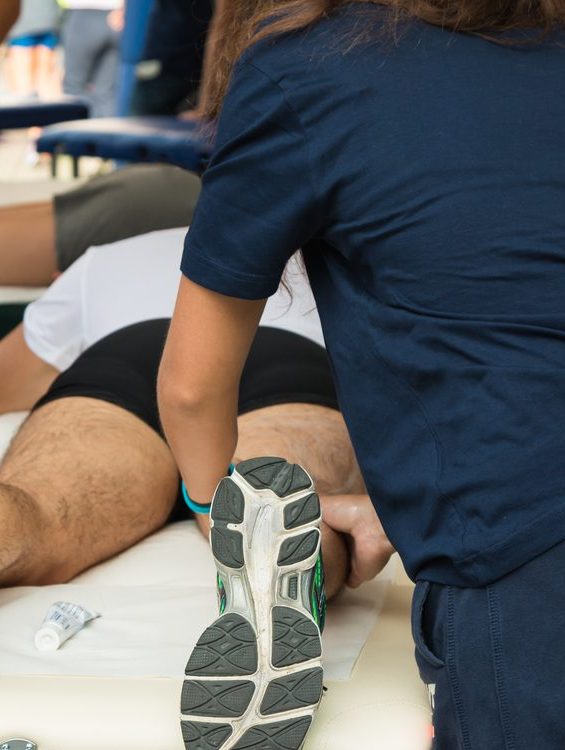
- Hands-on treatment where appropriate.
- Progressive strengthening exercises.
- Sport-specific rehabilitation tailored to tennis.
- Return-to-play testing.
- Ongoing support throughout your recovery.
The aim isn’t simply to reduce pain—it’s to restore strength, confidence and performance so you can return to tennis safely and perform at your best.
Whether you’re preparing for league matches, tournaments or simply want to enjoy pain-free tennis again, Kate will guide you through every stage of your recovery.
Why Choose Momentum Sports Injury Clinic?
Momentum Sports Injury Clinic in Ponteland provides specialist sports rehabilitation for people who want lasting results—not temporary fixes.
Kate understands the physical demands of tennis and uses proven rehabilitation strategies to ensure you’re fully prepared for returning to the court.
Rather than treating symptoms alone, she focuses on identifying the underlying causes of injury to help improve performance and reduce future injury risk.
Ready to Get Back on Court?
Don’t let a small niggle become a long-term injury.
Whether you’re struggling with tennis elbow, shoulder pain, knee pain, ankle instability or persistent back pain, early assessment and rehabilitation can make all the difference.
Book an appointment with Kate Disley at Momentum Sports Injury Clinic, Ponteland, and begin a personalised rehabilitation pathway designed to help you recover fully, stay injury-free and return to playing your best tennis.
Your recovery starts with the right plan—and Momentum is here to help you every step of the way.